In the electrifying atmosphere of a high-stakes NBA game, a sudden, soaring rejection can shift momentum in an instant. Think of the thunderous block that silenced the crowd, or the perfectly timed swat that ignited a team’s comeback. Shot-blocking is more than just preventing a score; it’s a statement of defensive dominance, a spark that can ignite a team’s spirit and demoralize opponents. It’s a crucial ingredient often found in championship-caliber teams.
While box scores may highlight the most prolific shot-blockers, the true impact extends far beyond simple statistics. This impact encompasses defensive schemes, individual player prowess, and the advanced metrics used to quantify its effectiveness. This exploration delves into the strategic importance of shot-blocking, spotlighting prominent players. Ultimately it showcase how this crucial skill separates contenders from pretenders in the quest for an NBA championship.
The Anatomy of a Contender’s Defense
Beyond Individual Brilliance: Team Defensive Systems
A truly formidable NBA defense extends far beyond individual brilliance. While highlight-reel blocks are exciting, they are merely snapshots within a larger, more intricate defensive system. The cornerstone of any elite defensive team lies in its cohesive understanding and execution of that system. This means mastering complex rotations, perfectly timed switches, and crystal-clear communication at all times.
Think of individual shot-blocking efforts like pieces of a puzzle. While impressive on their own, their true value emerges when seamlessly integrated into the team’s overall defensive structure. For example, a strategically timed double-team in the post can force a quick pass to a less skilled offensive player, setting up a rotation where a help defender rotates over to contest the shot while ensuring that the initial double-teamer recovers to prevent an open look from the perimeter.
Without a solid team defense, a team’s all other actions will be severely undermined. A team must have clarity and communication for its defensive purposes.
Paint protection is very important and it is also a key indicator of strategies used by the team.
Individual Shot-Blocking Prowess: Identifying the Elite
The Evolution of the NBA Shot Blocker
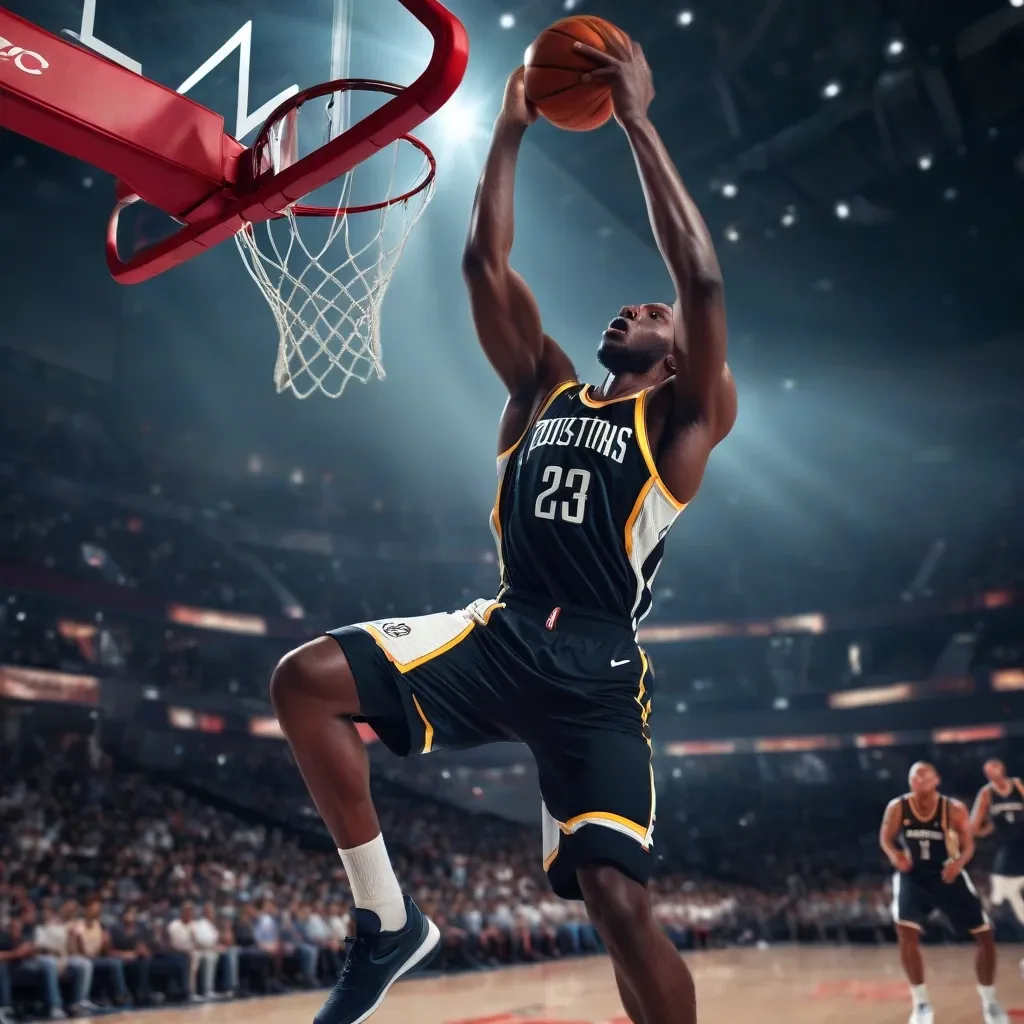
The art of shot-blocking in the NBA has undergone a significant transformation, mirroring the league’s overall evolution. Early on, imposing size and sheer athleticism were the primary attributes of dominant shot-blockers. Players like Bill Russell relied on instinct and timing to protect the rim. As the game progressed, shot-blocking became a more refined skill. Analytics started to play a role, with teams analyzing opponents’ shot tendencies to position their rim protectors more effectively. The rise of versatile, athletic big men redefined the position; for example, players started switching more on defense and were required to defend on the perimeter that before was required only for guards.
Modern NBA shot-blockers often possess a combination of size, agility, and intelligence. They are adept at not only swatting shots but also altering them, disrupting offensive rhythm without necessarily committing fouls. Furthermore, offenses have adapted, utilizing spacing and ball movement to draw shot-blockers away from the paint, creating driving lanes and open looks. The modern shot-blocker must therefore be mobile and intelligent, capable of reading offensive sets and making quick decisions. The evolution is continuous, with new strategies and player archetypes constantly pushing the boundaries of rim protection.
Elite NBA Shot Blockers
The NBA boasts several elite defenders celebrated for their shot-blocking skills. Among them are players who consistently impact the game with their defensive prowess. What sets these athletes apart is a combination of physical attributes, incredible timing, and a keen understanding of offensive strategies. They aren’t merely swatting at the ball; they are disruptive forces controlling the paint.
An athlete may utilize their incredible length and athleticism to challenge shots high above the rim, often resulting in highlight-reel blocks that ignite the crowd. His ability to anticipate opponents’ moves, combined with his quick reflexes, allows him to be one step ahead. Another player relies more on positioning and discipline, he understands angles, and baits opponents into unfavorable shots. His presence alone deters players from attacking the basket.
The best shot-blockers don’t just pad their stats; they elevate their team’s defense as a whole. Their rim protection allows teammates to pressure the perimeter, knowing that a safety net is in place. Shot blocking proficiency shapes the game. The evolution of these unique skills, have transformed the landscape of NBA defense.
The Ripple Effect: How Blocks Impact Offenses and Mindsets
The influence of shot-blocking in the NBA extends far beyond simply preventing a score. A well-timed block can ignite a team, shifting the entire momentum of a game. Offensively, teams must constantly account for the presence of elite shot-blockers, altering their strategies and approach to the basket.
The psychological impact of shot-blocking is significant. Players who are repeatedly denied at the rim may become hesitant to drive, opting for less efficient jump shots or passing out of scoring opportunities. This hesitation can spread throughout the team, impacting their overall offensive flow. Facing a formidable shot-blocker forces offenses to become more creative, utilizing screens, misdirection, and ball movement to create open lanes and avoid direct confrontations. Coaches must also consider player psychology, ensuring their players maintain confidence and aggression even when facing shot-blocking threats. The impact on player’s confidence affects directly to the game momentum, especially if the player is a rookie.
Case Studies: Blocks That Altered NBA History
In the high-stakes world of professional basketball, a single defensive play can echo through time, altering a franchise’s trajectory and etching itself into championship history. These aren’t just blocks; they are iconic moments, game-changing plays that swung momentum, crushed dreams, and crowned champions. The impact of these defensive gems extends far beyond the immediate game, reshaping legacies and rewriting narratives. Basketball enthusiasts often speak of these plays for years into the future.
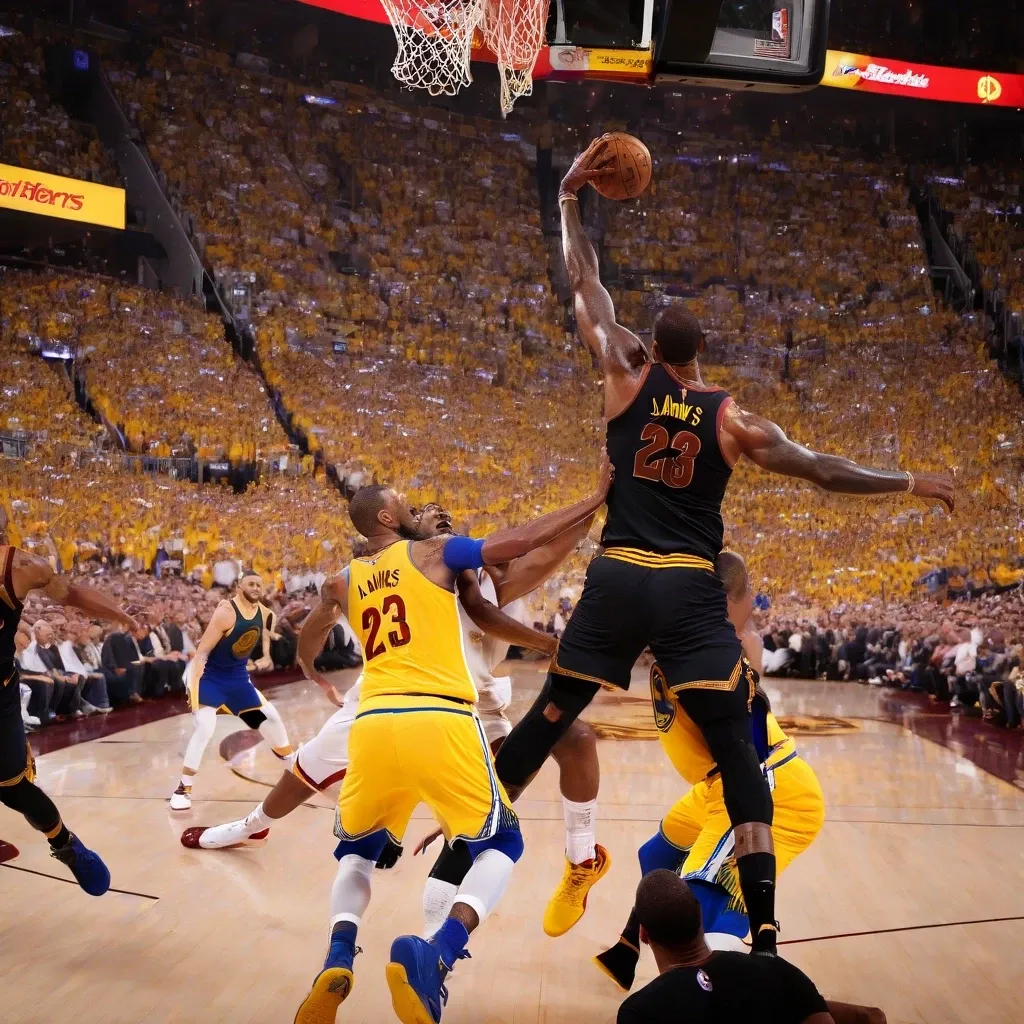
One such play occurred during the 2016 NBA Finals. LeBron James, chasing his elusive championship for his home state Cleveland Cavaliers, delivered arguably the most important block in NBA history. With the score tied late in Game 7 against the heavily favored Golden State Warriors, Andre Iguodala drove to the basket for a potential go-ahead layup. James soared through the air, meeting Iguodala at the apex and pinning the ball against the backboard. This incredible display of athleticism not only prevented a Warriors lead but also energized the Cavaliers, who went on to secure their first NBA title, ending Cleveland’s 52-year championship drought. The ‘Block’ instantly became synonymous with James’s legacy, forever solidifying his place among basketball’s elite.
Another unforgettable block that had great repercussions happened years before. In the 1997 NBA Playoffs, the Chicago Bulls faced a tough Indiana Pacers team led by Reggie Miller. In a critical Game 4, with the Bulls clinging to a narrow lead, Scottie Pippen rose to the occasion, denying a potential game-tying shot by center Rik Smits. Pippen’s block not only preserved the Bulls’ lead but also demoralized the Pacers, swinging the series momentum in Chicago’s favor. The Bulls eventually won the series and went on to secure their fifth NBA title, solidifying their dynasty. This play continues to be remembered for Pippen’s defensive prowess and his uncanny ability to rise to the occasion in pivotal moments.
Beyond the Box Score: Advanced Metrics for Evaluating Shot-Blocking
While raw blocks per game offer a basic understanding of a player’s shot-blocking ability, they only scratch the surface. To truly understand the impact of shot-blocking, it’s necessary to delve into advanced metrics that provide a more nuanced perspective. These metrics account for factors like playing time, team defensive schemes, and the quality of shots contested, offering a more comprehensive evaluation of a player’s defensive contributions.
One such metric is block percentage, which estimates the percentage of opponent two-point field goal attempts blocked by a player while they are on the court. This statistic offers a better representation of a player’s shot-blocking frequency compared to blocks per game, as it adjusts for playing time. A higher block percentage suggests a more active and impactful shot-blocker.
Defensive rating provides insight into a team’s points allowed per 100 possessions while a specific player is on the court. While not solely indicative of shot-blocking ability, a player with strong shot-blocking instincts can positively influence their team’s defensive rating by deterring opponents from driving to the basket and altering shot trajectories.
Another valuable metric is opponent field goal percentage at the rim. This statistic reveals how effectively a player contests shots near the basket. A lower opponent field goal percentage at the rim suggests the player is successful in deterring or altering shots, making it more difficult for opponents to score. By analyzing these advanced metrics collectively, a much clearer picture emerges of a player’s true impact on the defensive end.
Building a Contender: Integrating Shot-Blocking into a Team’s Identity
Transforming a team into a true championship contender often hinges on establishing a formidable defensive identity, and shot-blocking plays a pivotal role in that transformation. It’s not merely about having one or two elite shot-blockers; it’s about weaving shot-blocking proficiency into the very fabric of the team’s strategy and culture. This requires a multi-faceted approach, focusing on player development, strategic scheme adjustments, and astute roster construction.
Player development is paramount. Coaches should prioritize teaching proper defensive positioning, timing, and verticality to all players, not just big men. Drills emphasizing help rotations and contesting shots without fouling are crucial. Furthermore, film study should be used extensively to analyze opponents’ tendencies and identify opportunities for blocks. Cultivating a mindset of protecting the rim amongst the entire roster is an important first step.
Scheme adjustments are equally vital. A defensive scheme that encourages help-side rotations and funneling drivers towards shot-blockers can significantly increase block opportunities. This might involve adjusting pick-and-roll coverage or employing more aggressive hedging strategies. However, these adjustments must be balanced with the need to avoid over-committing and leaving other players open.
Finally, roster construction must consider shot-blocking potential. While acquiring proven shot-blockers through trades or free agency can provide immediate impact, identifying and developing overlooked prospects with shot-blocking instincts is a more sustainable approach. Evaluating a player’s defensive awareness, athleticism, and willingness to contest shots is key to finding those hidden gems. In sum, a contender prioritizes the importance of rim protection throughout the entire organization.
Conclusion
The Future of NBA Defense: What to Expect in the Coming Years
The game is ever-evolving, and defense in the NBA is no exception. Shot-blocking remains a crucial element for teams aspiring to contend for a championship. As offenses become more sophisticated, defenses will undoubtedly adapt, pushing the boundaries of rim protection and team defensive strategies. Keep an eye on emerging trends and potential innovations, as the future of NBA defense promises to be as exciting as the offensive fireworks.
In conclusion, shot-blocking is more than just swatting the ball away; it’s a game-changing defensive weapon. Teams that prioritize rim protection and integrate shot-blocking into their defensive schemes are better positioned for success. As the league continues to evolve, the importance of this skill will only grow, solidifying its place as a key component of any true championship contender.